


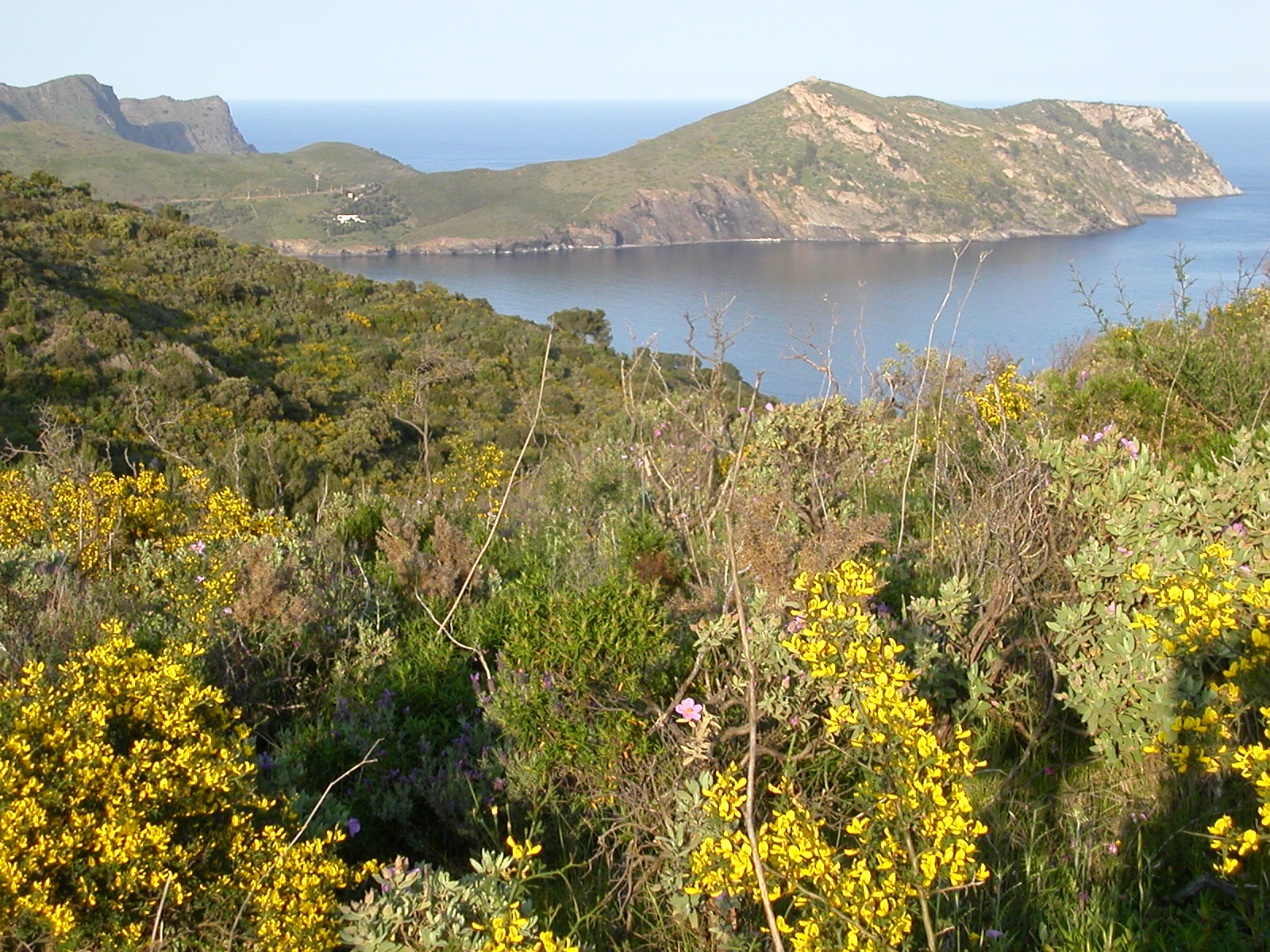



The Cap de Creus Natural Park is the first maritime and terrestrial natural park in Catalonia. It was designated in 1998, under Law 4/1998 of 12 March, with the aim of protecting the Cap de Creus peninsula and its surrounding marine environment. Located at the easternmost point of the Iberian Peninsula, in the Alt Empordà region, it covers an area of approximately 13,800 hectares, divided between land and sea.
The park extends across the municipalities of Cadaqués, Llançà, Palau-saverdera, Pau, El Port de la Selva, Roses, La Selva de Mar and Vilajuïga. Its terrestrial area includes three Natural Sites of National Interest (PNIN): Cap Gros-Cap de Creus, to the north; Punta Falconera-Cap Norfeu, to the south; and the Serra de Rodes, to the west. The park also has several protected-area designations, including three Strict Nature Reserves —the northern area of s’Encalladora, the Cap de Creus Point and Tudela area, and Cap Norfeu— as well as three Partial Marine Nature Reserves: Cap Gros, Cap de Creus and Cap Norfeu.
The landscape of Cap de Creus is remarkably diverse and distinctive. The combination of sea and mountains, together with the effects of the tramuntana north wind and the erosion caused by water and wind, has shaped a territory of spectacular geological formations, with rocky outcrops, cliffs, hidden coves, islets and reefs. Its geology is exceptional, featuring structures and formations of great scientific interest that are considered unique on a global scale.
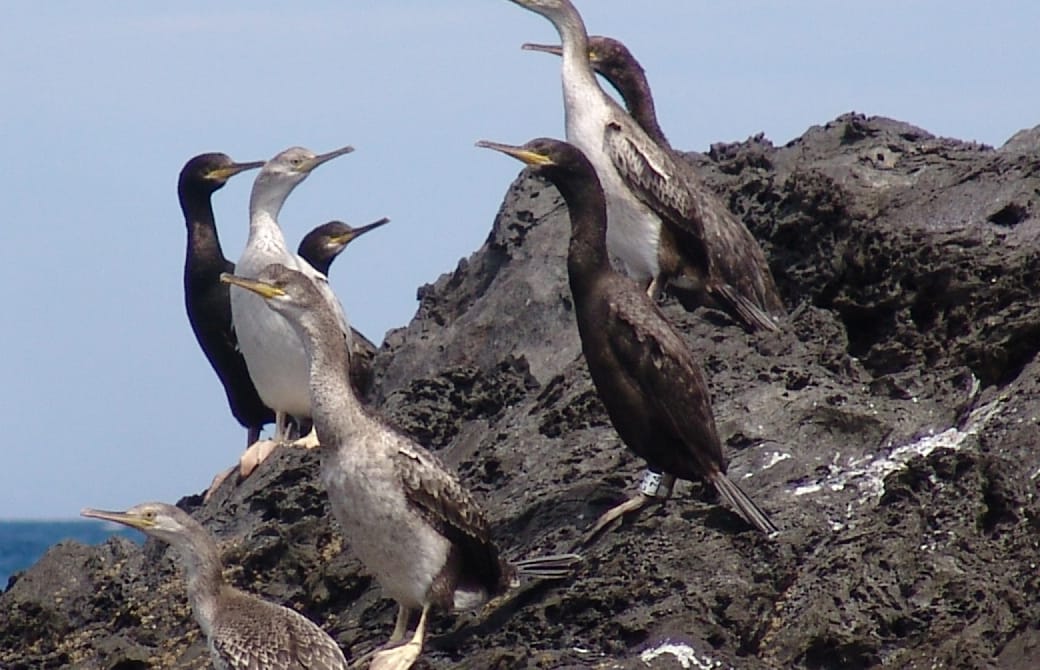
The natural environment is home to a wide variety of habitats and ecosystems, ranging from peaks and hills to vineyards, Mediterranean scrubland, cork oak forests, meadows and streams. Along the coast, the seabed features Posidonia oceanica seagrass meadows, coralligenous communities, underwater caves and rich marine biodiversity. The park is also home to plant and animal species of great ecological value, some of them rare or endemic and specially adapted to the particular conditions of this territory.
The park also preserves an important historical and cultural heritage, including dolmens and megalithic monuments, castles, hermitages, traditional farmhouses, vineyards and dry-stone structures that bear witness to the relationship between people and this landscape over the centuries. One of its most outstanding monumental sites is the Monastery of Sant Pere de Rodes, located in the Serra de Rodes and offering magnificent views over the coastline.
This landscape has also been a source of inspiration for numerous artists, painters, writers and poets, and is deeply rooted in the cultural identity of the Empordà.
The Cap de Creus Natural Park is an ideal place to explore through hiking, cycling, birdwatching, kayaking, scuba diving and other nature-based activities, always respecting conservation regulations. Since August 2025, the Master Plan for Use and Management (PRUG) has regulated various activities in the marine area, including navigation, anchoring, fishing and scuba diving, to ensure the preservation of habitats and species.
A unique destination where the power of nature, geology, heritage and culture come together to create an extraordinary landscape on the Costa Brava.
PREGUNTES SOBRE LA REGULACIÓ D’ACCÉS A LA PUNTA DE CAP DE CREUS. ESTIU 2022
What to do there?
Els parcs i els paratges naturals són indrets privilegiats per a la pràctica d'esports i activitats a l'aire lliure de tot tipus. Tant si es tracta d'ecoturisme com de turisme actiu o de natura, dur-los a terme als racons més bells del nostre país és un privilegi.
La gestió dels parcs naturals està encarada a fer que el visitant pugui gaudir del seu temps lliure coneixent, apreciant i estimant la natura i tots els seus valors patrimonials.
Les diferents activitats que es poden dur a terme als parcs i als seus voltants han de contribuir a un triple objectiu:
Oferir una experiència turística de qualitat al visitant.
Contribuir al desenvolupament econòmic de les comarques on s'ubiquen els parcs.
Sensibilitzar i implicar la població en la necessitat de conservar el patrimoni natural.
Us convidem, doncs, a descobrir els secrets més ben guardats de la nostra natura i a conèixer la vida rural de les poblacions que són dins i al voltant d'aquests espais protegits.